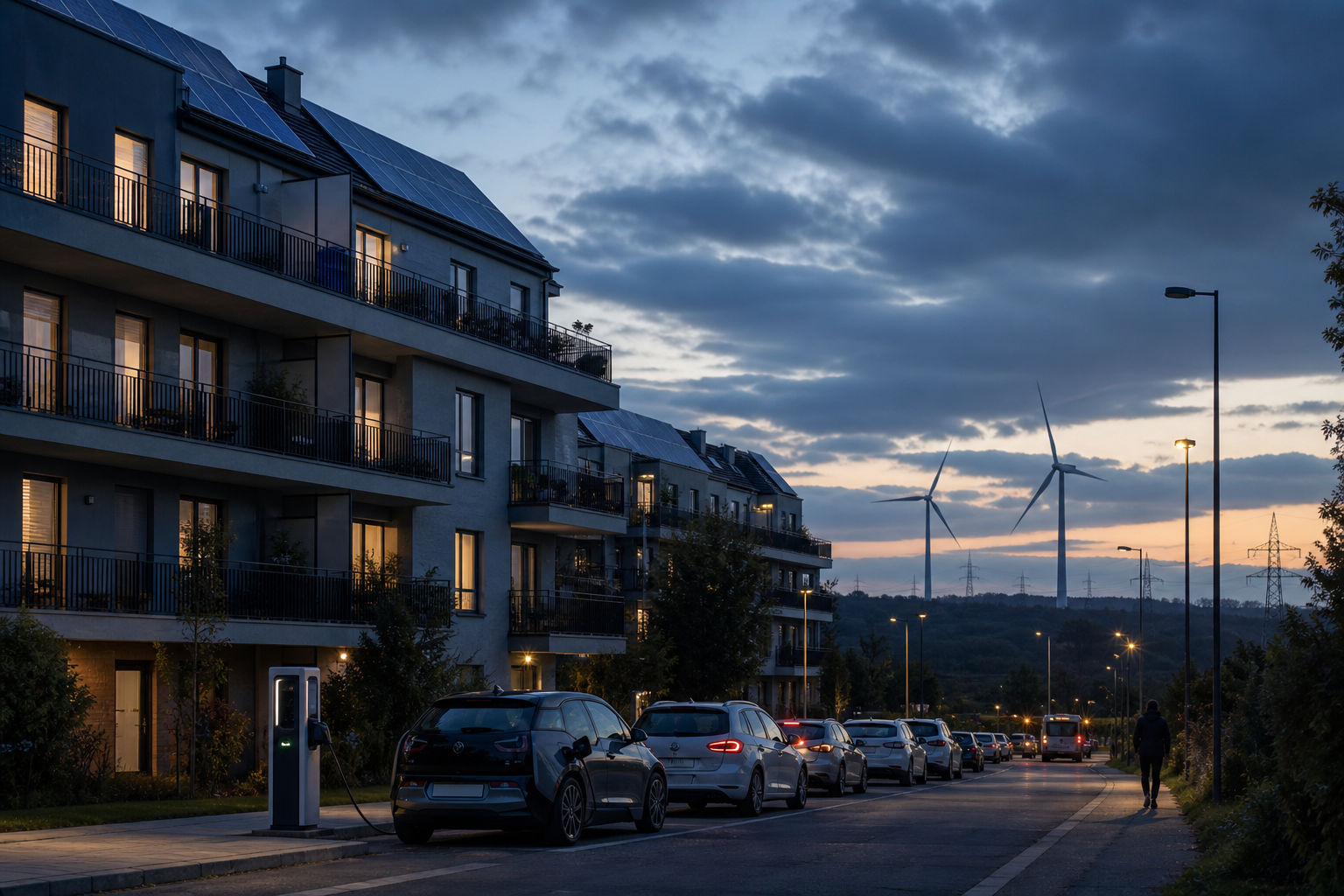
Generation capacity is not the same as electricity delivered to homes
To unravel this puzzle, we first need to clarify a basic mechanism: installed generation capacity is not the same as the electricity that actually reaches users’ homes. Renewable energy sources such as wind and solar are mostly located in remote areas rich in wind and solar resources, while centers of electricity consumption are concentrated in densely populated metropolitan areas. To deliver clean electricity from remote areas to the charging piles and heat pumps of millions of urban households, we must rely on transmission and distribution grids spanning hundreds or thousands of kilometers. In its energy transition report released in 2026, the International Renewable Energy Agency pointed out that simply increasing clean energy generation capacity is far from enough to address the global energy transition; the world faces a severe challenge of lagging transmission and distribution grid construction. The grid is an indispensable bridge connecting clean generation on one end with electrified end users on the other. If transmission corridors are not wide enough and distribution networks not strong enough, no matter how fast the turbines spin in the hills, the green electricity generated cannot cross the spatial barrier and can only be wasted, while urban users still face tight supply-demand conditions and electricity price volatility during peak demand. According to data in the report, global annual investment in grids in 2025 was about US$0.5 trillion. To support high shares of renewable energy integration and ensure stable and economical power supply, average annual global investment in grids and system flexibility needs to double between 2026 and 2035, reaching about US$1 trillion per year. This means that without resolving bottlenecks in network delivery capacity, growth in wind and solar installed capacity will not naturally translate into cheap, stable electricity security at the doorstep.
Massive interconnection queues leave green power stuck halfway
The second core mechanism lies in the severe mismatch in construction timelines between the generation side and the transmission side, which leaves large numbers of completed clean energy projects unable to interconnect and deliver power in a timely manner. Typically, wind and solar power plants can be built very quickly—completed and ready to generate within a few months to a year; however, a cross-regional transmission corridor or grid upgrade project, involving complex planning approvals, land acquisition, and intricate engineering construction, often takes several years or even longer. This construction time gap has created severe interconnection congestion worldwide. The report shows that currently as much as about 2,500 GW of clean energy projects are stuck waiting in “interconnection application queues,” the vast majority of which are wind, solar, and energy storage projects. This means that large amounts of cheap clean power that has already been built or is in late-stage development is forced to queue outside the door because of insufficient grid hosting capacity, unable to deliver a single watt-hour to the system. This severe queuing and bottleneck phenomenon creates a structural embarrassment on the supply side of clean energy—visible but unusable—delays the optimization and upgrading of grid assets, and leaves consumers waiting in vain for the cheap electricity prices that economies of scale should bring.
Electrification peak periods collide with the challenge of weather-dependent supply
The third key mechanism relates to how we use electricity and to the inherent characteristics of renewable energy itself. When household gas water heaters are replaced with electric heat pumps and gasoline cars with electric vehicles, household electricity use undergoes a qualitative change. The electricity demand of electric vehicles and heat pumps is highly concentrated in space and time. For example, most people habitually start charging their vehicles in the evening after returning home from work, while heat pumps run at full power during extreme cold or heat waves, rapidly raising the grid’s peak load and making demand peaks sharper. At the same time, wind and solar generation are highly volatile and weather-dependent. When the sun sets and only a light breeze blows, that is precisely when millions of households turn on heat pumps and charging pile loads hit their peak. This temporal overlap between “rising demand peaks” and “wind and solar output troughs” places unprecedented flexibility and balancing pressure on the grid. Without adequate energy storage and system flexibility support, the grid must retain traditional fossil-fuel generating units as backup to keep the lights on, and may even rely on high-cost emergency balancing resources during peak periods—implicitly driving up overall system operating costs that ultimately show up on users’ electricity bills.

Overcoming the bottleneck requires a systemic overhaul of infrastructure
For household heat pumps and electric vehicles to truly enjoy cheap, stable green electricity, the energy system of the future must undergo a systemic infrastructure overhaul—from simply expanding generation capacity to flexible interaction among the grid, energy storage, and the demand side. According to the International Renewable Energy Agency’s outlook, by 2035 global installed storage capacity needs to rise rapidly from 416 GW in 2025 to 2,530 GW; at the same time, the share of daily flexibility demand on the global grid needs to climb from 7% in 2019 to 13% by 2035, and further to 30% by 2050. That means electric vehicles can no longer be only passive power consumers; through smart bidirectional charging they need to charge when electricity is abundant and cheap, and feed power back to the grid when the system is strained. Household heat pumps also need to become smarter, learning to store heat in advance during low-price off-peak hours. Only when grid reinforcement, storage rollout, and flexible demand-side adjustment advance in sync can every kilowatt-hour of green electricity from wind and solar flow smoothly and at low cost into ordinary homes.
Source institutions:International Renewable Energy Agency
This content is for reading and understanding research reports. It does not constitute investment advice or trading signals.
Read in App
Read global research reports on mobile.
This content is for research reading and does not constitute investment advice.